
Head of Mobile Marketing (Gaming)
What this page covers
Head of Mobile Marketing (Gaming)
If you are leading mobile marketing for a game, you are likely under pressure to turn creator buzz, celebrity moments, and paid campaigns into measurable installs and revenue, not just views and comments.
A practical first step can be to review how your current creator and ad concepts contribute to organic traffic, paying audience quality, and return on ad spend, then explore where external support could safely add new formats or scale what already works without disrupting your core UA engine.
In brief
- You may be looking for ways to connect creator content, social videos, and paid placements so they not only drive a spike in organic traffic, but also bring in a higher quality paying audience and support your ROAS and LTV goals.
- For this situation, campaigns that combine creators, short-form video, and performance-focused ad creatives can be relevant, as they can turn conversations and buzz around your game into installs, in-game spending, and more resilient demand between big launches.
- Before starting, it makes sense to clarify how you will track organic uplift, paying user quality, and creative performance, and to align any external partner on your measurement approach, internal approval process, and platform-specific constraints.
What to do
As Head of Mobile Marketing for a game, you balance brand visibility with hard performance metrics. You see how a strong creator or celebrity collaboration can boost organic traffic and bring in a more valuable paying audience, but you still need to understand how each campaign contributes to installs, in-game spending, and return on ad spend over time across different geos and platforms.
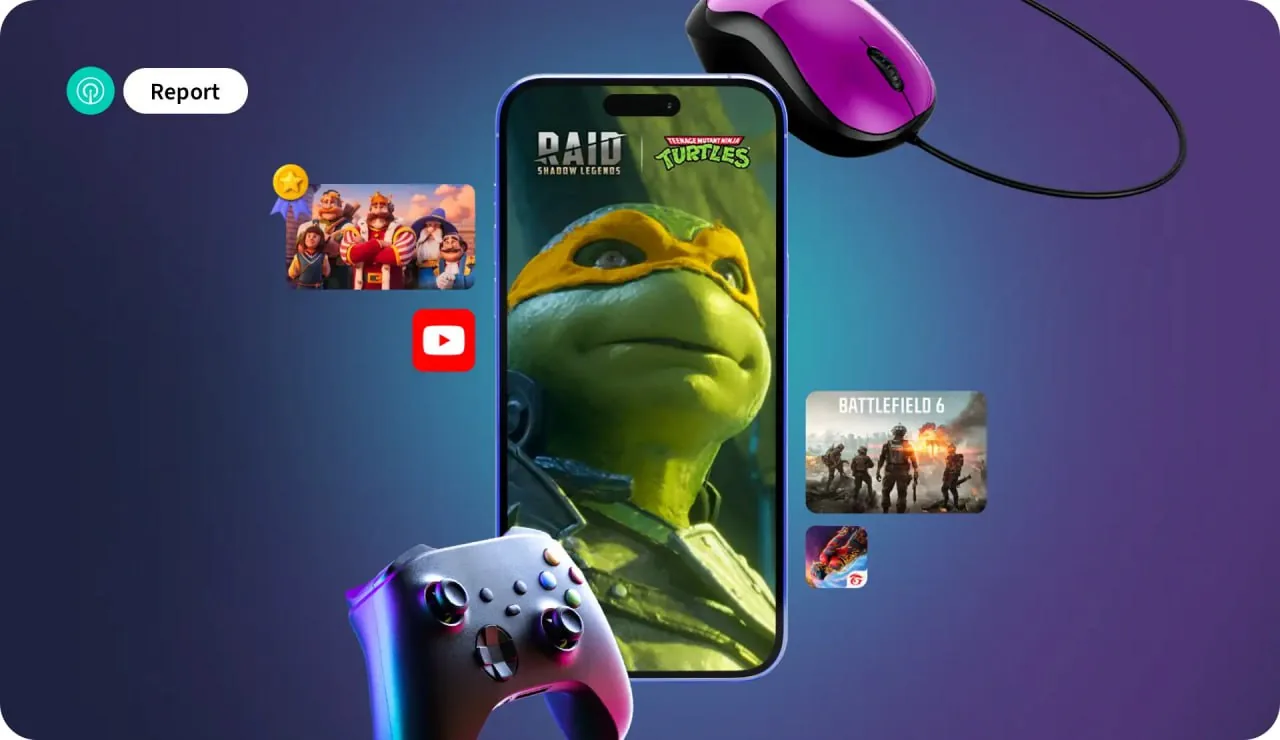
In this context, formats built around creators and short-form video can be useful. Examples discussed by the team include collaborations where well-known personalities and creators produce Instagram Reels, TikTok, and YouTube content that spark conversation and curiosity about a game, which can be followed by performance-focused ads, store assets, and in-app campaigns. There is also growing attention to AI-assisted creative manufacturing, where AIGC is used to generate and update ad creatives more frequently so you can stay dynamic in competitive markets and test more concepts with the same budget.
A careful way to start is to map one upcoming or current campaign and identify where creator content, paid ads, and AI-assisted creative production might fit. From there, you can define what uplift in organic traffic, paying audience quality, or creative efficiency you want to observe, and then discuss with a partner how they could support specific parts of this flow rather than trying to change your entire marketing setup at once.
What to keep in mind
Results from creator and in-app ad activity can vary significantly between games, regions, and audiences. In the examples shared, creator collaborations and strong commercial concepts were associated with boosts in organic traffic and higher spending among paying users, but these outcomes depended on the specific match between the game, the creators, and the campaign idea, as well as timing and competition.
There are also practical limitations to consider. High creative fatigue across performance channels, limited internal capacity to produce enough concepts and UGC-style assets, and the need to adapt creatives for different platforms, formats, and regions can all affect how much impact a single campaign can realistically have. Even with AI-assisted creative generation, advertisers still need to update strategies often to keep up with changing formats, privacy rules, and auction dynamics.
Because of this, a reasonable next step is not to expect guaranteed growth from any single creator or ad format, but to treat new initiatives as structured tests. By defining what you want to measure, how long you will run experiments, and how feedback will flow between your media, analytics, product, and creative teams, you can better understand where external support or new tools genuinely add value for your game and where you prefer to keep processes in-house.