Game Studio Founder (Indie)
What this page covers
Game Studio Founder (Indie)
If you are an indie game studio founder juggling development, publishing, and marketing on your own, it is normal to feel stretched thin and unsure how to turn a finished build into real, paying players.
A careful first step is to clarify what kind of external support you want for launch and early growth, so you can keep creative control while getting practical help with planning, channels, creators, and execution on a budget you are comfortable with.
In brief
- You may be looking for a flexible external partner who can cover strategy and hands-on work around launch, user acquisition, and creators, because you do not have a full internal marketing or UA team.
- A format that can fit this situation is a compact, structured launch and growth collaboration where strategy, creator work, creative production, and UA execution are handled together instead of you trying to coordinate many separate vendors.
- Before starting, it makes sense to be open about your budget, current tracking setup, and expectations, so any support plan respects your constraints and does not overpromise on what limited data and resources can reasonably achieve.
What to do
As an indie founder, you likely lead a small team with very limited internal marketing resources and no dedicated UA or influencer specialists. On top of building the game, you are expected to pick channels, talk to creators, prepare assets, and report KPIs, which can quickly become overwhelming and distract from development.
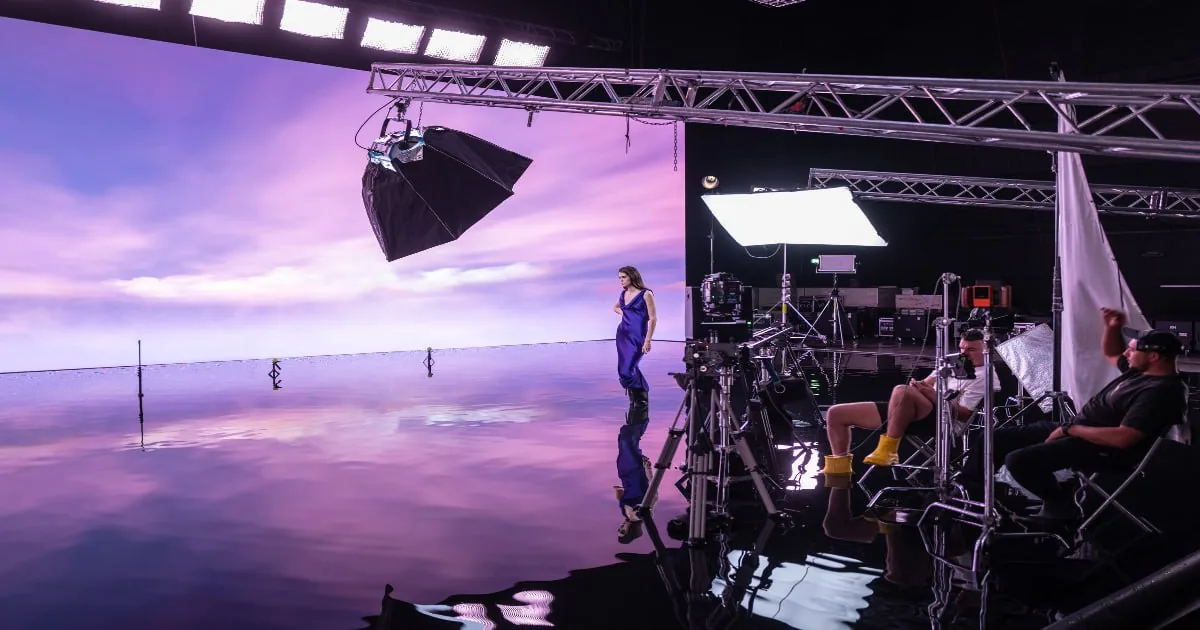
In this context, a combined approach to strategy, creators, and UA execution can be useful. Instead of you testing channels one by one, a partner can help you prioritize where to show your game, structure a basic KPI framework, and coordinate creator content and ad creatives that genuinely fit your audience, similar to how a studio set carefully arranges objects and backdrops for a clear visual story.
To start carefully, you can focus on one title and one phase, such as launch or early growth, and define a simple plan: which regions to test, what tracking you already have, and what kind of creator or ad formats you are comfortable with. From there, you and a partner can expand step by step, adjusting scope if the workload, risk, or spend feels too heavy.
What to keep in mind
This kind of support is most relevant if you lead a small indie studio without a full marketing team and want help turning a finished or near-finished game into a structured launch and early growth plan, rather than a one-off asset or isolated campaign.
If you already have a scaled internal UA and influencer organization, or if you are not ready to commit any budget or time to testing channels and creators, this format may not be a good fit. Limited tracking infrastructure and experience with creative testing can also slow things down, so expectations should stay realistic and focused on learning as you go.
Given these conditions, a reasonable next step is not a large, long-term commitment, but a conversation about your current build, budget limits, and priority markets. This helps both sides see whether a flexible external team that covers strategy, creators, and UA execution is appropriate for your studio right now and what a low-risk pilot could look like.