Media planning companies
What this page covers
Media planning companies
People move seamlessly between outdoor screens, mobile phones and online content, without separating offline and online experiences. Media planning companies help brands keep up with this behavior instead of splitting campaigns across disconnected vendors.
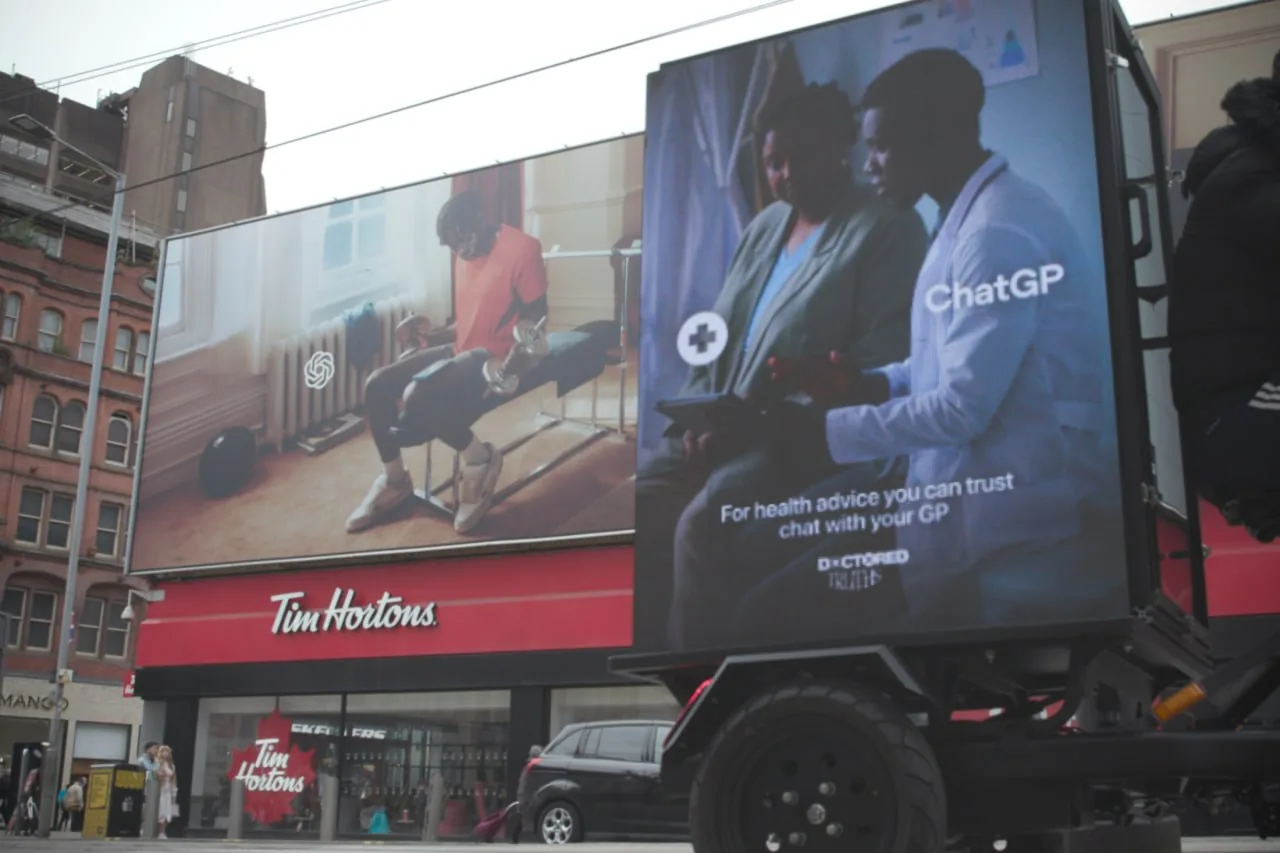
When outdoor, digital and data are managed separately, the customer journey breaks into fragments. Specialized media partners focus on unifying these touchpoints so communication becomes one continuous story rather than isolated one-off projects, which is especially important for fast-moving gaming and iGaming audiences.
In brief
- Media planning companies help brands avoid fragmented campaigns by coordinating outdoor, digital and data activities in one place, aligning them with clear performance goals.
- They focus on building a single, continuous communication journey instead of separate offline and online efforts handled by different contractors, so users see a coherent story at every step.
- Such partners can combine broad reach formats with targeted offers for different segments, aiming to improve response quality and manage the cost of attracting new players or users without promising specific results.
What to do
Media planning companies are relevant when a brand’s outdoor, digital and data activities are scattered across multiple contractors. In this situation, a person sees a screen, opens a phone and continues online, while the brand’s communication remains split. A dedicated media partner works to connect these touchpoints into one story instead of leaving them as unrelated fragments, which is critical for user acquisition in gaming and iGaming.
Some companies specialize in combining data from channels such as digital out-of-home and online placements. Their goal is to turn offline-to-online communication into a systematic product rather than a one-time special project. This approach helps brands follow the real path of a person who moves from offline to online and back again, keeping messaging, offers and creatives consistent with the overall performance strategy.
Media planning partners can also work with reach formats and segment-based offers. In practice, this may include using broad awareness tools on large platforms and then refining communication for each audience segment, platform and GEO. In cases described by digital agencies, such work has led to a higher share of qualified responses and a noticeable decrease in cost per lead within the mix of reach channels, without guaranteeing specific financial outcomes.
What to keep in mind
In reality, not every brand needs a complex media planning company from day one. If outdoor, digital and data are already coordinated in-house and tied to clear KPIs, the benefit of an external partner may be limited. But when different vendors handle each part separately, the customer journey often falls apart, and a company that unifies digital out-of-home and online data can become especially useful for performance-focused gaming and iGaming campaigns.
Examples from digital agencies show that working with reach formats and personalized offers for each segment can influence performance indicators. For one developer’s project, a digital agency reported that using reach advertising tools on a major platform helped significantly reduce CPL and secure a large share of targeted inquiries in the overall mix of reach placements. These are individual cases, not a promise of similar results for every brand.
At the same time, media planning is only one part of a broader marketing toolkit. Other methods, such as SEO experiments, domain moves or technical tactics, are used for different goals and require separate expertise. Media planning companies usually focus on communication channels, audience paths and media mix, while research, tenders, creator work and technical optimization may involve additional partners or in-house teams.