Texas mobile game ua agency
What this page covers
Texas mobile game ua agency
A Texas-based mobile game studio that wants to grow across the US often runs into familiar UA challenges: limited in-house expertise, fragmented reporting, and difficulty scaling paid user acquisition efficiently as spend rises.
This page is for teams that want structured, nationwide UA support for a new or live title, with clear KPIs, coordinated campaigns across networks, and a realistic view of how performance marketing, influencer activity, and retention can work together.
In brief
- Studios in Texas often lack internal resources to scale paid UA across multiple networks while keeping CPI and downstream KPIs within target as budgets grow.
- Common blockers include an unclear channel mix for US-wide acquisition, fragmented creative testing without a learning loop, and reporting scattered across ad platforms, MMPs, and internal dashboards.
- A focused UA partner can help design a cross-channel strategy for US mobile users, define KPI frameworks and tracking setups, and align campaigns and creator activity with ongoing product updates and live ops without promising fixed results.
What to do
For a Texas mobile game studio, the core UA need is a cross-channel strategy that works at US scale. That means deciding how to balance major ad networks, performance placements, and creator-driven traffic so that spend can grow without losing control of CPI and retention. A structured plan starts from your current performance, then sets realistic KPI targets and measurement rules rather than headline promises.
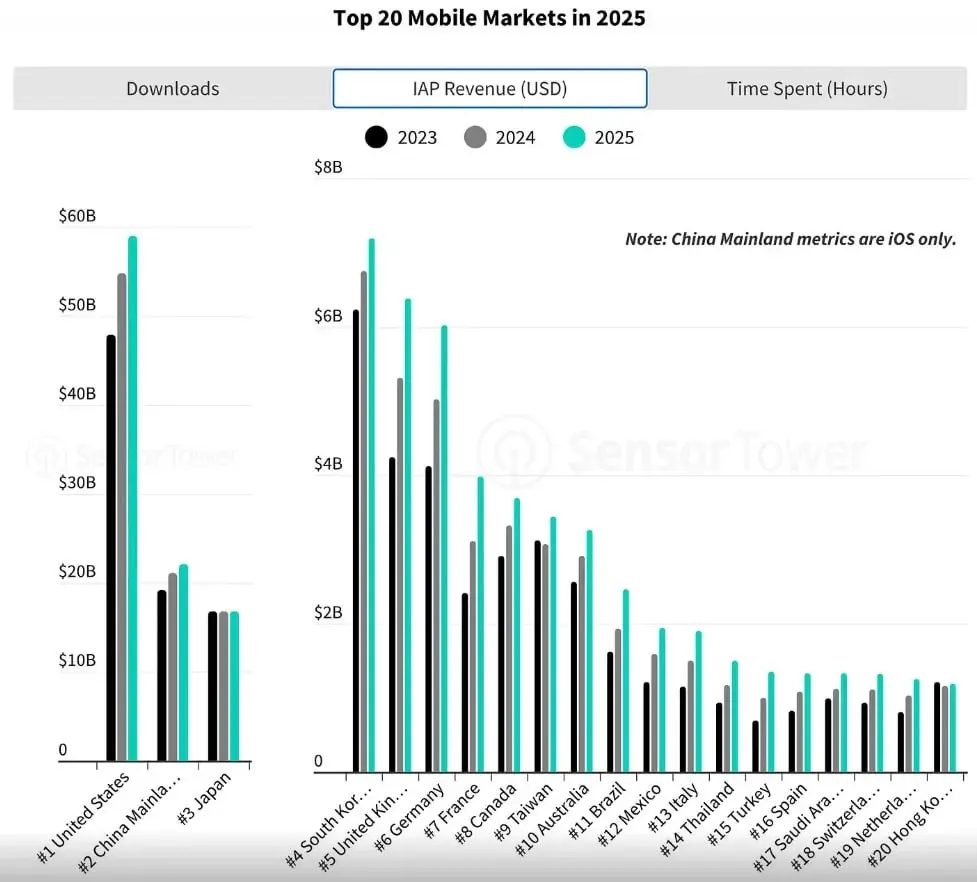
Another key part of the solution is disciplined creative and funnel testing. Instead of ad hoc experiments, you benefit from a clear process: which concepts to test, how to rotate formats, and how to capture learnings into the next iteration. This is especially important as global UA spend grows and iOS becomes a priority platform for large-scale campaigns, while Android budgets stay more stable.
Finally, UA has to be coordinated with your product roadmap and live ops. When major updates, events, or new features go live, campaigns, influencer pushes, and remarketing should support them, not lag behind. With budgets shifting toward remarketing and user retention becoming more valuable than constant cold acquisition, aligning UA, in-app events, and communication frequency helps you get more from every acquired user.
What to keep in mind
This kind of support is most relevant for Texas-based mobile studios that already run or plan to run paid UA across several networks and want to expand to US-wide scale. Typical pains include limited internal expertise in scaling campaigns, uncertainty about the right channel mix, and pressure to grow spend while keeping CPI and downstream KPIs efficient.
It is less suitable for teams that are not yet investing in paid UA or that expect guaranteed performance outcomes. The focus is on establishing clear KPI targets and tracking setups, improving creative testing velocity, and consolidating reporting across ad networks, MMPs, MMPs, and internal dashboards, rather than promising fixed results or specific revenue numbers.
In practice, this means working with a performance-focused partner that understands mobile UA in the US, can connect influencer-driven or other upper-funnel traffic with performance marketing data, and can coordinate campaigns with ongoing product updates and live ops. The goal is to move from fragmented efforts to a structured, data-informed UA program that can be scaled responsibly.