
Finance and reporting friendly gaming campaign management
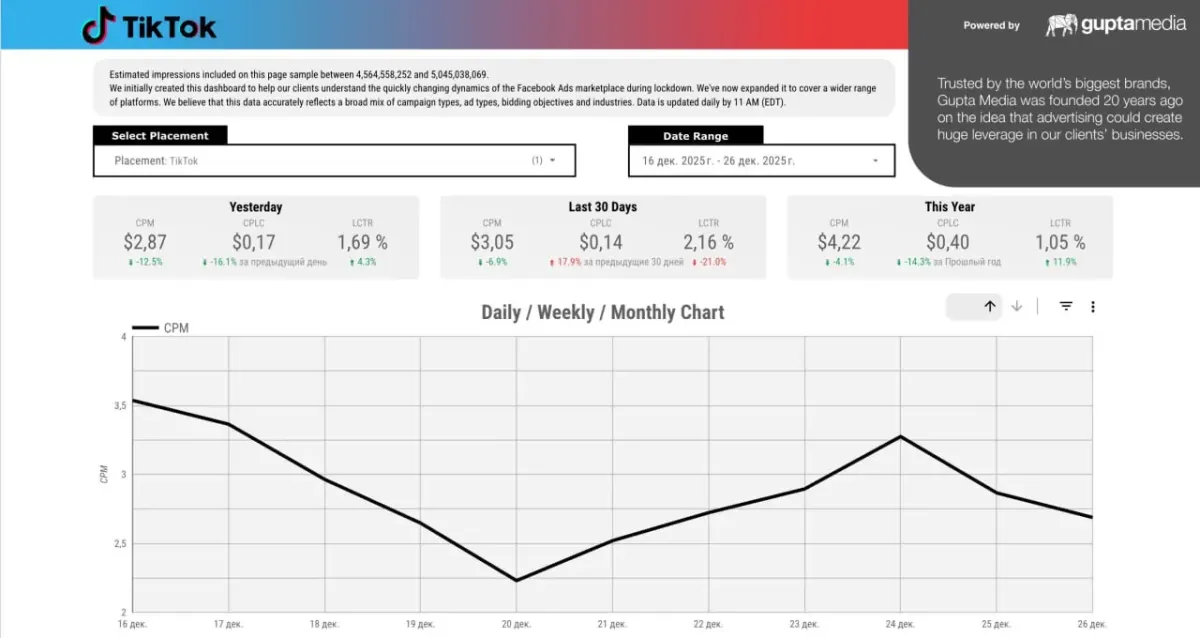
What this page covers
Finance and reporting friendly gaming campaign management
Gaming advertisers are increasingly using AI tools to create video ads and manage campaigns, which can significantly improve efficiency for designers and campaign managers. When most creatives are AI-made, you need clear rules for how campaigns are planned, tracked, and evaluated.
This page focuses on campaign management that fits strict finance and reporting requirements in gaming. It highlights the importance of transparent tracking, structured workflows, and predictable processes so budgets, creatives, and results can be monitored and discussed with internal stakeholders at any time.
In brief
- Use AI-assisted video production and creative tools in a structured way so designers and campaign managers can produce gaming ads quickly while keeping all outputs reviewable for finance and leadership teams.
- Build campaigns around clear tracking and reporting routines so performance data on creatives, channels, and spend can be shared, challenged, and archived for later budget and strategy discussions.
- Align campaign workflows with internal approval and documentation needs, making it easier to explain where budgets went, which creatives ran, and how results connect to future planning and forecasting.
What to do
In gaming, campaign managers and designers are already working with AI video tools to speed up ad production. Some advertisers see a large share of their creatives generated with AI, which changes how campaigns are planned and executed. To keep this compatible with finance and reporting expectations, the creative process needs defined checkpoints, from concept to final asset, so each version can be traced back to a decision, a test, and a budget line.
A finance- and reporting-friendly approach to gaming campaign management starts with transparent tracking. Every creative, creator, and placement should be tied to clear identifiers, making it possible to see which ads ran, where they appeared, and how they performed. When questions arise later, teams can refer to this structure instead of relying on fragmented notes or memory, which is especially important when AI-generated assets are produced in high volumes across multiple channels.
Because AI tools can dramatically increase output, they also increase the need for disciplined workflows. Campaign managers benefit from routines for reviewing AI-made creatives, documenting approvals, and summarizing performance in a way that non-marketing stakeholders can understand. This helps connect day-to-day optimization with broader discussions about budgets, forecasts, future campaigns, and the role of AI and creators in the overall marketing mix.
What to keep in mind
Roles such as Influencer Marketing Director or Head of Influencer Marketing in gaming often manage budgets under high scrutiny. They need to know how influencer and creator budgets are allocated and monitored, and they face pressure to show that spend is deployed through vetted creators with clear guardrails. Any campaign management approach must acknowledge this level of oversight and provide structures, documentation, and reporting that support it.
These roles also deal with fragmented reporting across creators and channels, time-consuming scouting and contracting, and inconsistent content quality. They look for performance-focused campaigns with transparent tracking and consolidated reporting, as well as standardized briefs, content formats, and feedback loops. A finance- and reporting-friendly setup should therefore emphasize consistent documentation, unified dashboards, and repeatable processes rather than ad-hoc decisions.
This type of campaign management is best suited to teams that are ready to maintain rigorous approval workflows for content, messaging, disclosures, and targeting. It works when there is a willingness to centralize reporting and to use research-led planning for creators, formats, and media mix. It may be less suitable for teams that prefer fully informal arrangements with creators or are not prepared to invest time in structured tracking, approvals, and post-campaign learning.